Archives for posts with tag: integrins
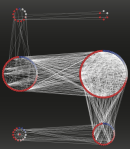
Adhesion complex network

Adhesion complex network

Our recent Science Signaling Research Article is featured in the current Top 10 cell biology papers evaluated on Faculty of 1000 Biology.

The Top 10 are generated using papers added to Faculty of 1000 Biology over the preceding month. Papers are ranked according to their F1000 Factor, which incorporates both the number of times a paper has been evaluated and the ratings it has received.

In addition to the evaluation by Herbert Schiller and Reinhard Fässler (Max Planck Gesellschaft, Germany), our article has now also been selected and evaluated by Alexey Belkin (University of Maryland, MD, USA).

Journal of Cell Science poster concept art

Journal of Cell Science poster concept art

Our review on anti-integrin antibodies has been published in today’s issue of Journal of Cell Science.

The Cell Science at a Glance article provides an overview of the mechanisms of antibody regulation of integrin adhesion receptors. The accompanying poster catalogues the best-characterised examples of function-regulating and non-functional antibodies. This review provides a resource for researchers to assess key reagents used in the study of integrin-mediated cell adhesion.

Read the rest of this entry »


Work by Paul Mould and others has been published in today’s issue of Biochemical Journal.

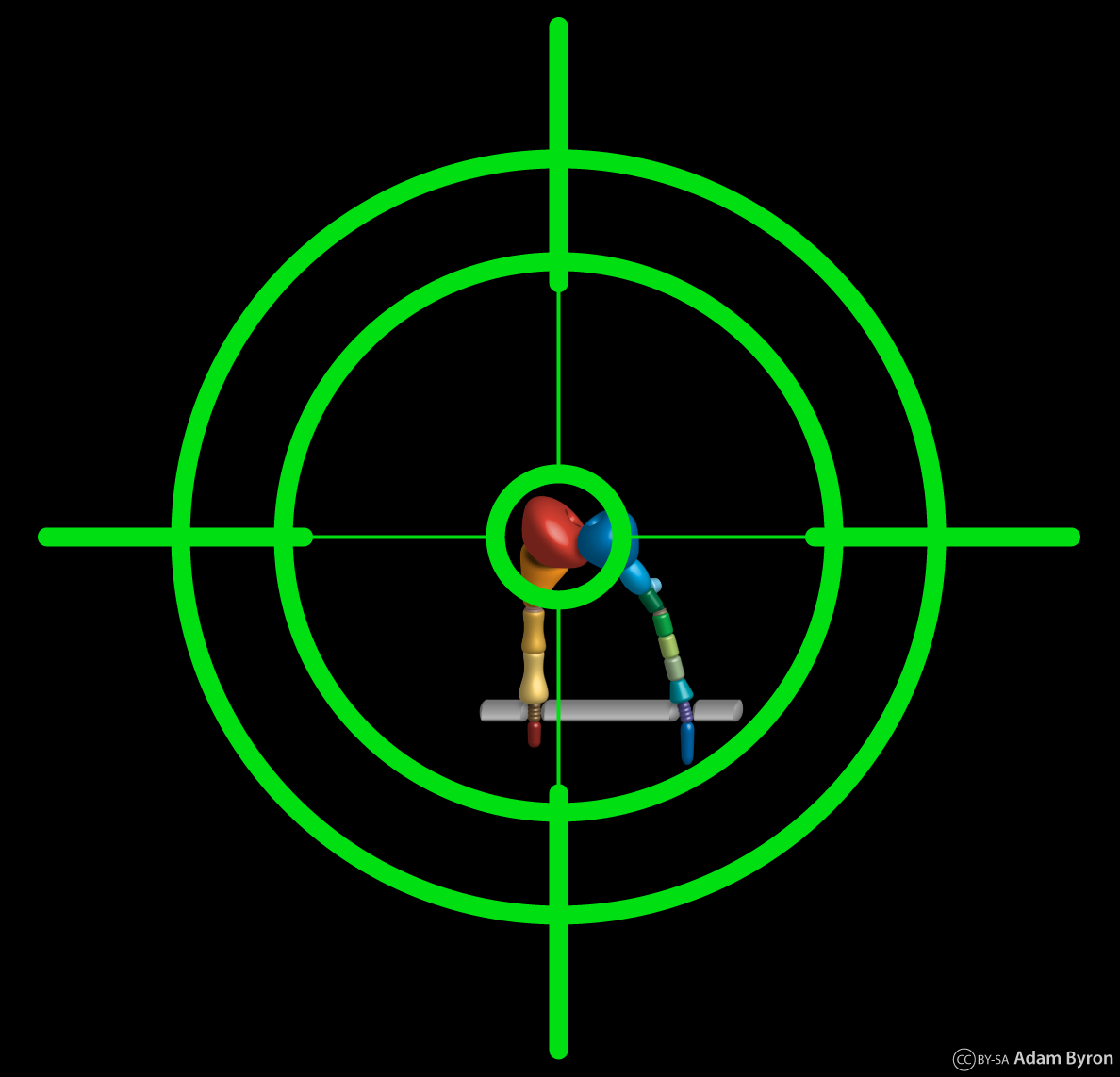
Targeting ligand-binding sites in integrins // Image by Adam Byron

This study shows that zebrafish α5 integrins do not bind human fibronectin or human α5β1 antagonists, the latter of which have therapeutic potential as anti-angiogenic agents in cancer and diseases of the eye. Exploiting the ligand-binding features of zebrafish α5 integrin, a gain-of-function mutagenesis approach was used to identify the regions of the α5 subunit required for interactions with human fibronectin ligand or human α5β1 antagonists. These results will aid the development of more potent α5β1 antagonists and of in vivo models suitable for drug screening or discovery.

Read the rest of this entry »

Adhesion complex network

Adhesion complex network

Our recent Science Signaling Research Article has been selected and evaluated by Herbert Schiller and Reinhard Fässler on Faculty of 1000 Biology.

Faculty of 1000 Biology is a literature-awareness tool that highlights and reviews the most interesting papers published in the biological sciences, based on the recommendations of a faculty of over 2300 selected leading researchers.

The October issue of UniLife, the University of Manchester’s monthly magazine, features an article reporting our recent Science Signaling Research Article.

UniLife aims to highlight the progress the University is making towards achieving its ambitious 2015 vision.

Adhesion complex network // Image by Adam Byron