
Work carried out at the University of Manchester has demonstrated a simple way to measure the abundance of protein molecules more accurately, which could help improve the reliability of many areas of biological and clinical research.
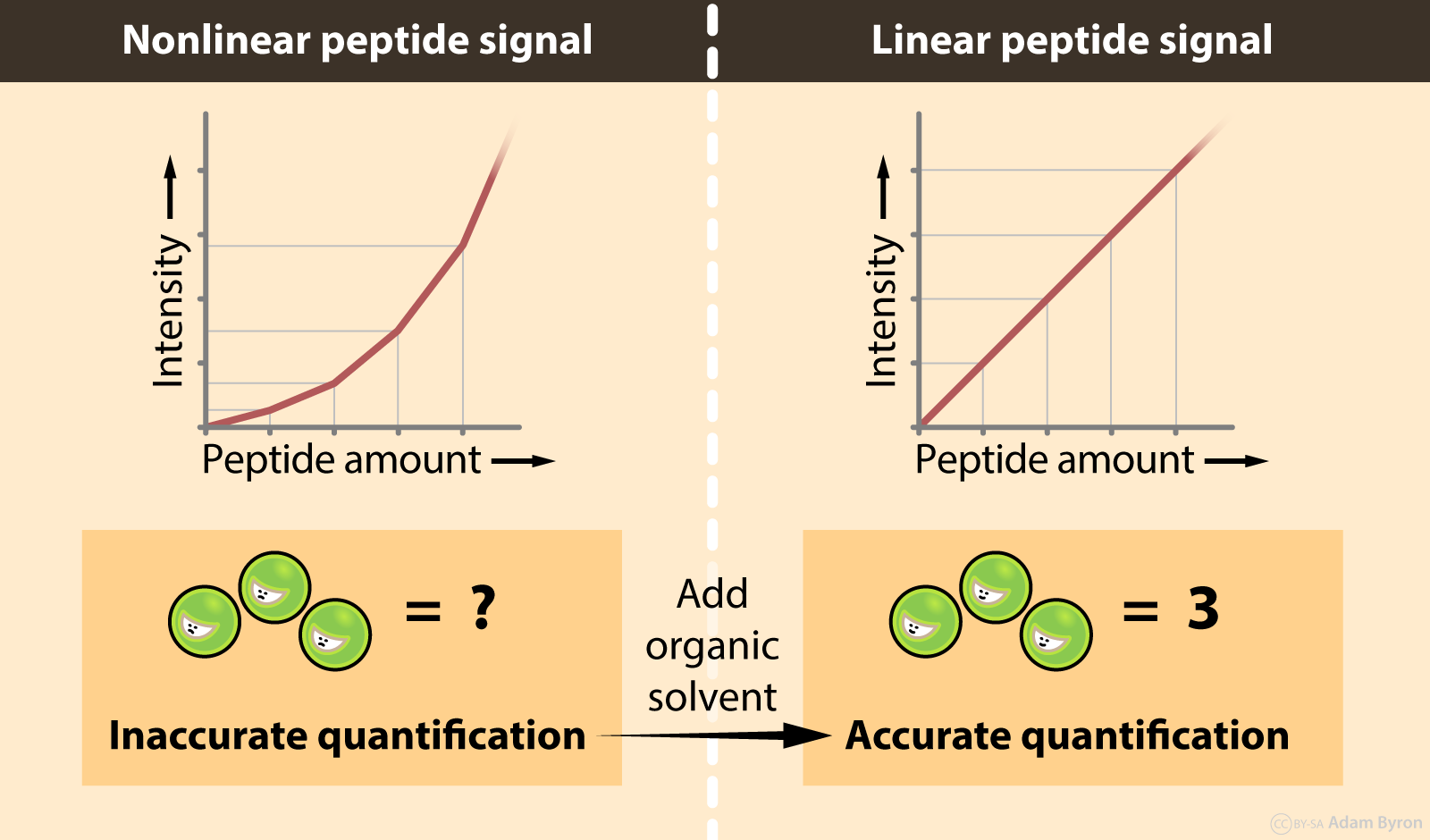
Work carried out at the University of Manchester has demonstrated a simple way to measure the abundance of protein molecules more accurately, which could help improve the reliability of many areas of biological and clinical research.
Research at the University of Manchester has identified networks of proteins that control the fate of our body’s stem cells, findings that could aid progress towards new disease therapies.

Stem cells have the amazing ability to develop into different types of cells of the body, such as blood cells, muscle cells or brain cells. Remarkably, stem cells can also regenerate, essentially renewing themselves an unlimited number of times.
An integral part of my work as a postdoctoral scientist in a university research laboratory is the teaching and support of learning of students. A day-to-day role is the supervision of students in the lab, including training in practical skills and encouraging and evaluating critical thinking and problem solving important for scientific research. It is an important, challenging and rewarding part of my job.
But how do I know if I’m doing it well?
Yesterday was my first day in a new job.
After several years as a postdoc at the University of Manchester, in the laboratory of Professor Martin Humphries in the Wellcome Trust Centre for Cell-Matrix Research, I have moved to a new position at the University of Edinburgh, working in the lab of Professor Margaret Frame in the Edinburgh Cancer Research UK Centre.

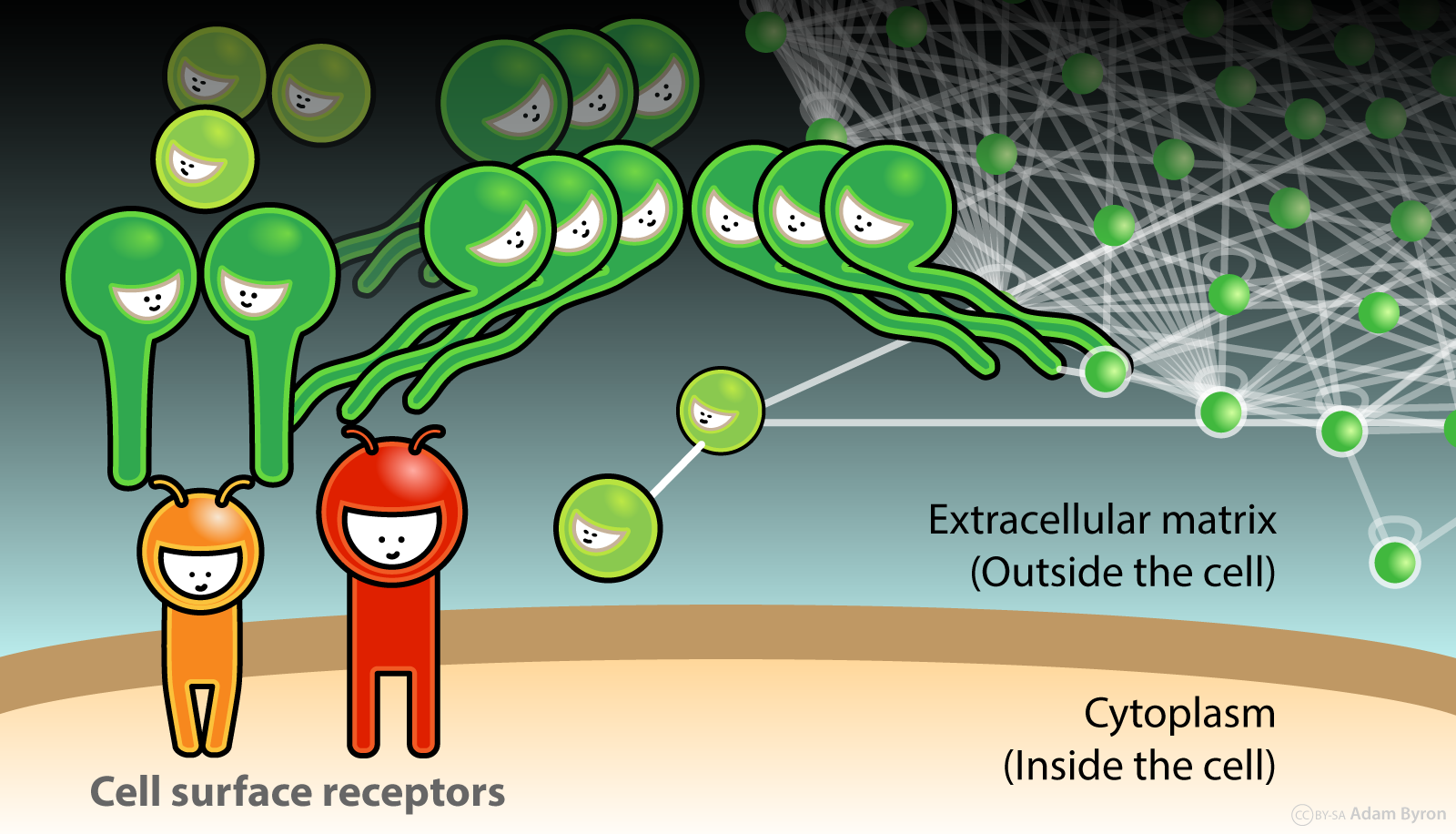
The surrounding environment is vital for all living things. This is no different for cells, whose environment is known as the extracellular matrix. Just as a worm burrows through soil, as a gazelle leaps across a plain, or as I become diverted by the alluring smell of Italian cooking, cells interact physically and chemically with their surroundings. These interactions, via cell surface receptors, control what cells do next, how they grow and divide, and how healthy they remain.
 Adam Byron